How to Import a Recipe From TikTok or Instagram
Saved videos are not a recipe collection. Here is how to turn a cooking video into a real recipe you can search, scale, and still find in five years.
Best starting point
Build the cookbook structure in the app, then use this guide to keep it easy to maintain.
Collections, search, recipe photos, tags, memories, and clean recipe cards work together so relatives can find what they need without learning a private filing system.
In Recipes We Share
- Create collections for holidays, weeknights, family branches, or people.
- Use consistent recipe names and a small repeatable tag set.
- Attach original images and notes to the recipe entry, not a separate folder.
What this guide helps you decide
- How to choose the first recipes to organize.
- How to name recipes so another person can find them.
- When to use collections, tags, notes, or comments.
Everyone has the folder. Two hundred saved cooking videos, and not one dinner has ever come out of it.
The problem is not laziness. It is that a saved video is not a recipe. You cannot search it, you cannot scale it, you cannot check whether you have the ingredients while standing in a shop, and if the creator deletes the post it is simply gone.
Here is how to convert the ones you actually care about into something usable.
Why saved videos fail as a recipe collection
They are not searchable. "That garlic noodle thing" is not a query. You scroll.
The recipe is often not written down anywhere. Many creators put quantities in the caption, some in a pinned comment, some only speak them aloud, and some never state them at all.
They disappear. Posts get deleted, accounts go private, licensing takes videos down. Your saved link breaks and there is no copy.
You cannot cook from a video. Vertical video with a hand blocking the pan, at speed, with music over the measurements, is entertainment. It is not instructions.
The five-minute manual method
This works on any platform and needs no tools.
1. Get the caption text. Tap into the post and copy the caption. That is where quantities usually live. Check the pinned comment as well — creators often correct themselves there.
2. Screenshot the ingredient moment. If quantities are only on screen, pause and screenshot. Do this while the post still exists.
3. Write down what the video shows but the caption does not. Pan size, heat level, how loose the batter looks, when they cover it. This is the part that gets lost, and it is usually the part that determines whether it works.
4. Note the creator. Attribution is basic decency, and it lets you find them again.
5. Cook it once, then write what actually happened. This is the step people skip and the one that matters. "Needed 4 more minutes" and "far too salty, halve the soy" turn someone else's video into your recipe.
The faster path
If you would rather not transcribe by hand: paste the link or the caption into Recipes We Share and it extracts a structured recipe — ingredients as separate lines with quantities, steps in order, timings where stated. You review it before saving, because automatic extraction gets things wrong and a recipe you have not checked is not a recipe you can trust.
Social video is the messiest input there is. Expect to fix a quantity or two. It is still far quicker than typing from scratch.
What to keep, and what to let go
Be ruthless. Most saved videos are aspiration, not intention.
Convert a video if:
- you have cooked it, or genuinely will this month
- it worked and you want it again
- it is a technique you want to keep
Leave it saved if it is a dish you admire but will never make at 6pm on a Tuesday. Two hundred saved videos converted into two hundred recipes is just a bigger mess.
A realistic target is ten to fifteen. That is a usable dinner rotation.
Then make them findable
Once converted, a recipe should be searchable by ingredient, scalable to the number of people eating, and readable on a phone propped against the kettle without the screen sleeping.
If several people in the household cook, put them somewhere shared. A recipe living only in your camera roll has the same problem as the saved video: it depends on you being present and interested.
Do not skip the recipes with no video
Worth saying plainly, because it is the higher-value work: the recipes worth the most to your family are almost never the ones on TikTok. They are on index cards in a drawer, and nobody has photographed them.
Social recipes are replaceable — if you lose one, ten thousand other creators have posted something similar. Your grandmother's version is not. If you only have one evening, spend it on digitizing the handwritten cards.
Starting point
If your collection is thin while you work through the folder, the everyday dishes are already there — Spicy Sriracha Dragon Noodles, Weeknight Beef and Broccoli, and Chicken Fried Rice cover a lot of the same weeknight ground that social video does.
Start free and convert five videos this week. Five recipes you will actually cook beats two hundred you will not.
Turn organization into a system
Use Recipes We Share to organize recipes without building your own filing system
The easiest archive to maintain is the one your family will still use six months from now. Recipes We Share gives you collections, tags, search, memories, and recipe images without forcing you into a spreadsheet-and-folder workflow.
- Group recipes into collections like holidays, brunch, or family favorites
- Use tags and search so people can actually find what they need
- Keep notes, photos, and the final recipe in the same record
On this page
Related posts
More articles in guides to keep the momentum going.
Get Your Holiday Ingredient Math Right Before the Holiday
Recipe cards say "a turkey," "a can of pumpkin," "a stick of butter" — not grams. Work out the real weights for your Thanksgiving and Christmas baking menu now, while there's still time to shop and scale with confidence.
How to Make a Printed Cookbook From Family Recipes
A practical guide to turning scattered family recipes into a real printed book — what to include, how to order it, and the mistakes that cost reprints.
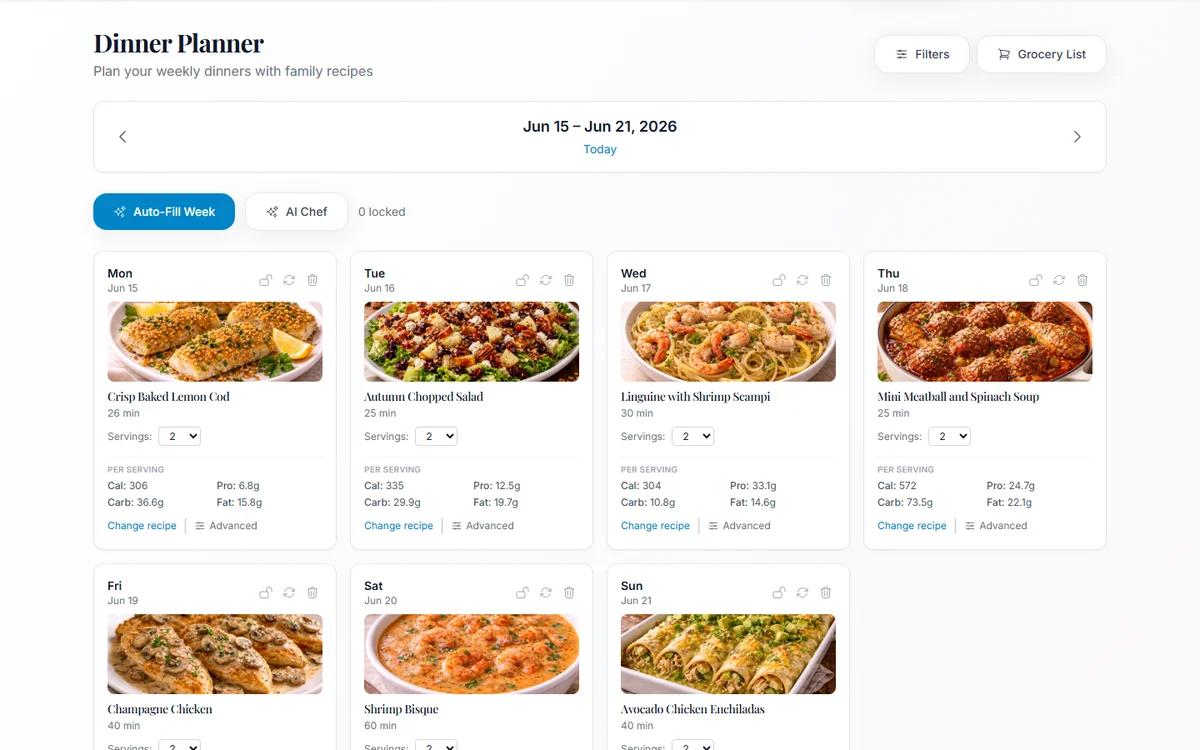
Meal Planning From Your Own Family Cookbook (Not a Stranger's Blog)
Most meal planners suggest recipes nobody in your house has agreed to eat. Planning from dishes your family already likes removes the hardest step.